How do we know if our student success interventions are working?
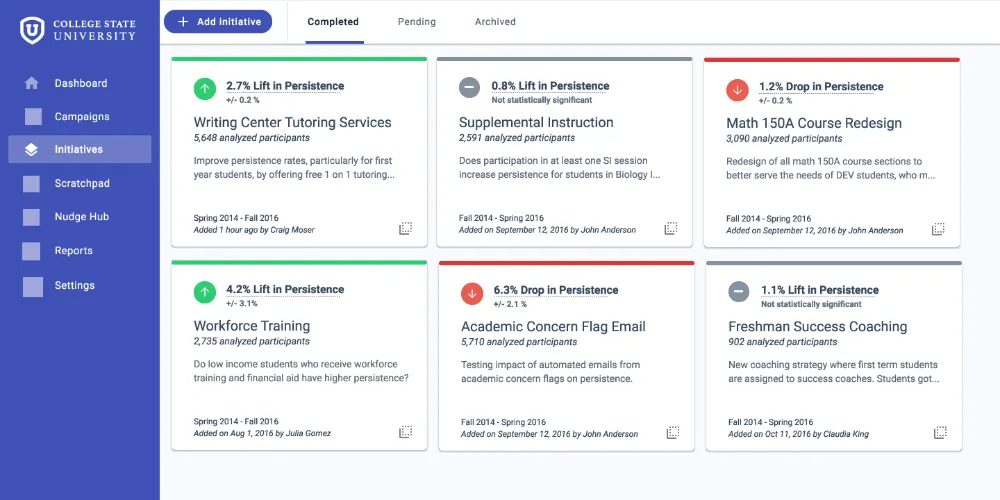
Measure each initiative against a matched comparison group of students who did not receive it. Civitas builds that group from your own records, so you see the lift the initiative produced, not this year versus last. Across 220 measured initiatives, only 40 to 60 percent produced a measurable outcome. How efficacy is measured →
What is one point of retention worth to our institution?
Undergraduate headcount times one percent, times net price per student. At 9,000 students and $11,500 net price, that is 90 students and just over $1 million a year. The calculator on this page uses your own IPEDS figures.
What does Civitas Learning actually do?
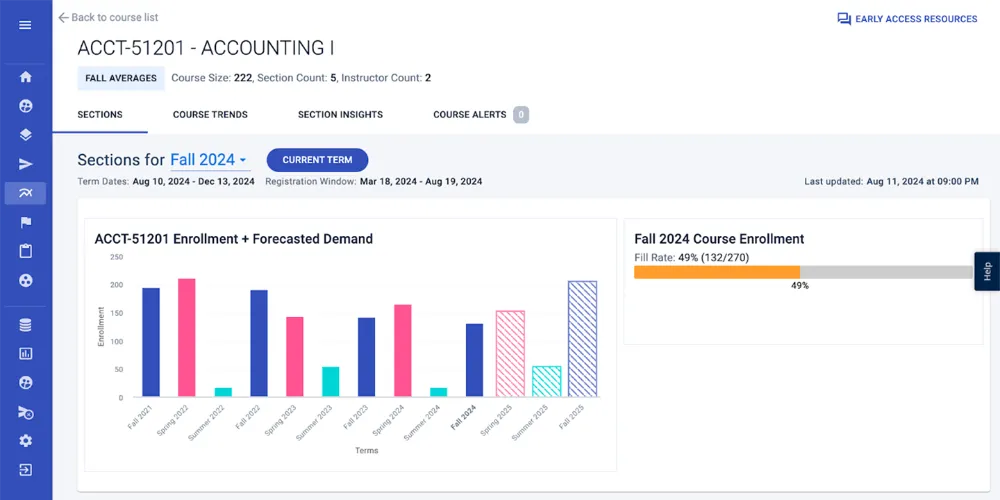
Civitas connects the systems a college already runs into one model of the institution, trains predictive models on its own history, gives staff and students tools to act, and measures what each action changed. The tools include an advising CRM with case management, degree planning, registration, class scheduling, and a native student mobile app, so Civitas can be your advising system of record or work beside the one you have.
Do we have to replace our SIS, LMS, or CRM?
No. Civitas reads from more than 100 systems, including Banner, PeopleSoft, Colleague, Workday Student, Canvas, Blackboard, Slate, and Salesforce, and writes actions and results back. It never replaces the SIS or LMS. For advising, Civitas ships its own CRM: consolidate onto it or keep yours. How that compares →
Is Civitas just analytics, or can our advisors and students work in it?
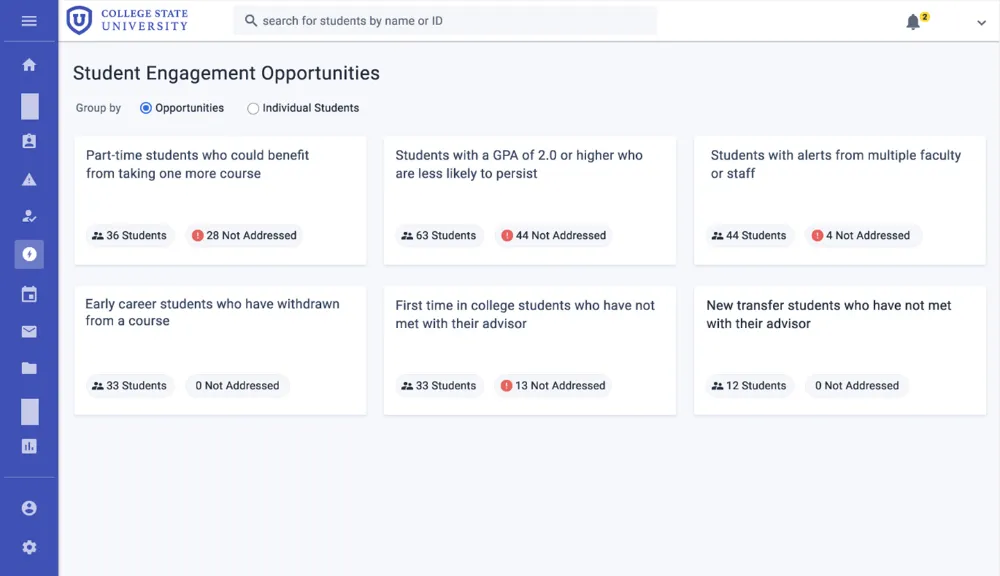
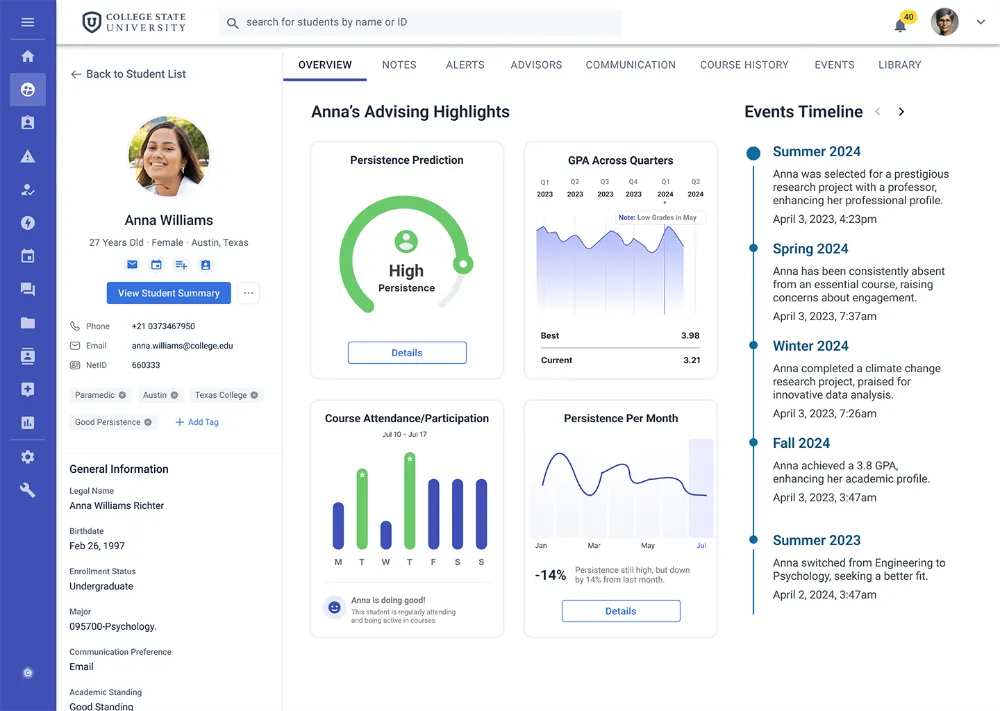
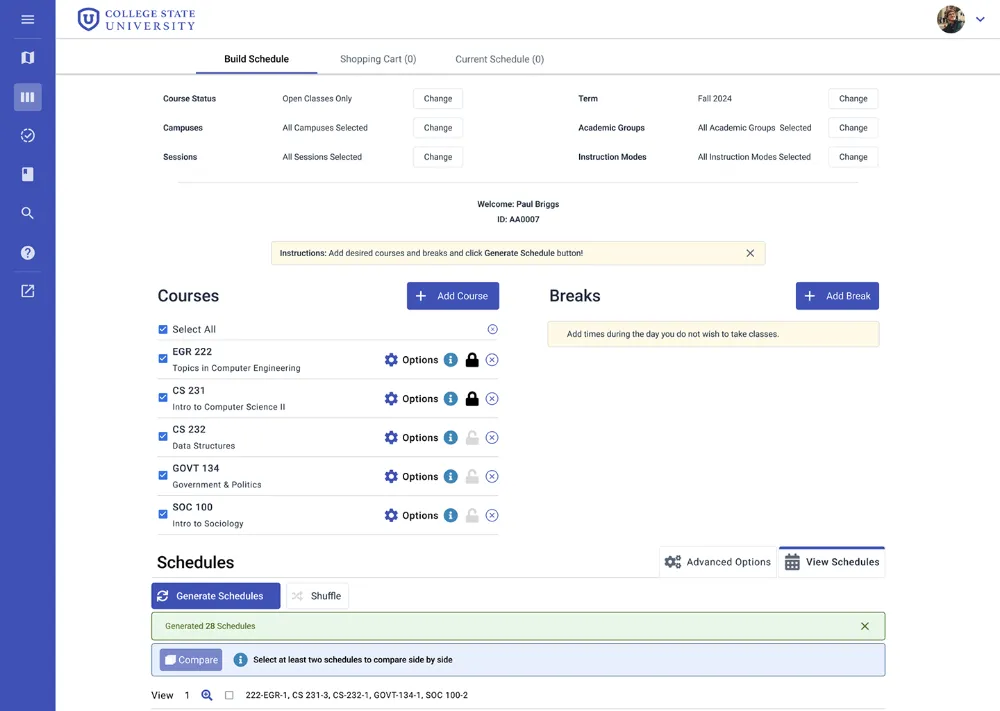
Both. Advisors get a CRM with case management, shared notes, academic alerts, dynamic lists, and email and SMS outreach. Students get degree planning, the schedule builder, registration, appointment scheduling, and a native student mobile app. Analytics and comparison-group measurement sit under all of it. What an advising team gets →
How is this different from a generic AI agent?
A generic agent predicts from national benchmarks or a vendor's pooled customer base; Civitas trains a separate model on each institution's history and refreshes it each term. The proof differs too: agent vendors report activity like open rates and hours saved; Civitas reports persistence, completion, and revenue against a comparison group. Ten questions to ask any AI vendor →
How long has Civitas Learning been building AI for higher education?
Since 2011 — fifteen years, through several generations of AI, from institution-specific predictive models to AI in advising and planning workflows to today’s agents. Every generation learned from the institution’s own data and was judged on measured outcomes. Civitas Learning AI →
What do you predict, and how accurate is it?
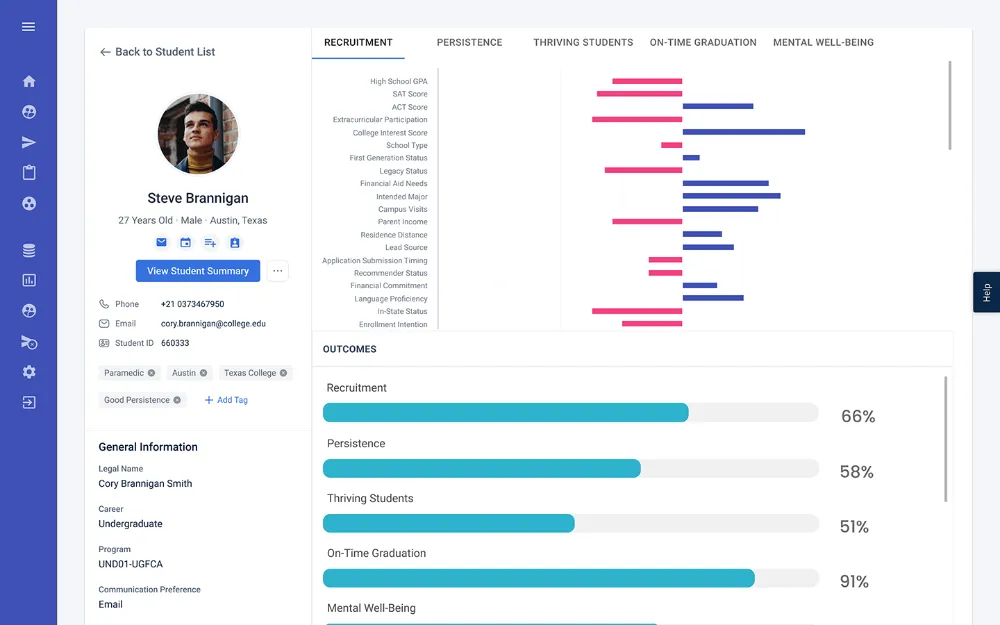
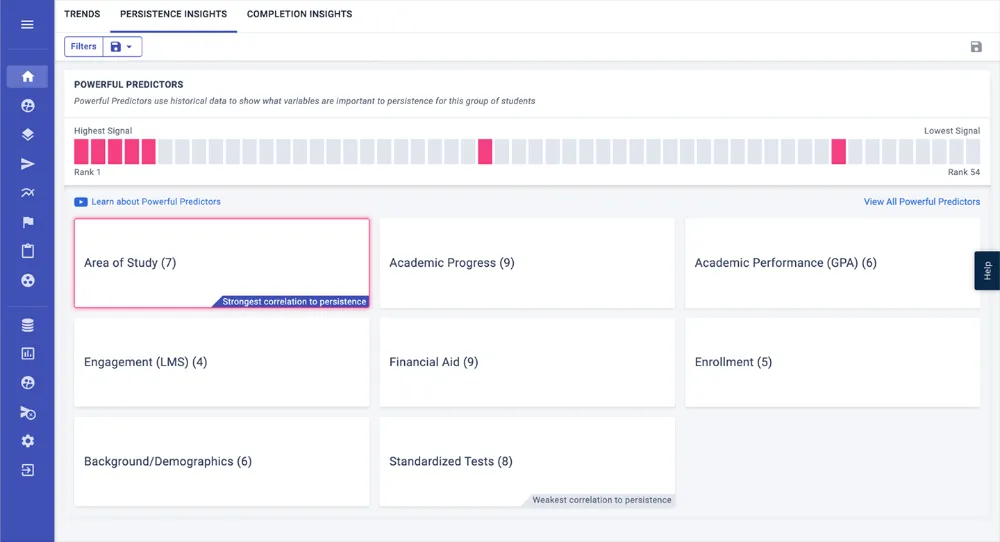
Six outcomes, each with its own institution-specific model: persistence, graduation, engagement, thriving, grades, and career outcomes. Accuracy is 89 percent, from training on your SIS, LMS, CRM, and aid history instead of sector averages, and retraining each term. How the models work →
Can we see what our graduates earn, by program?
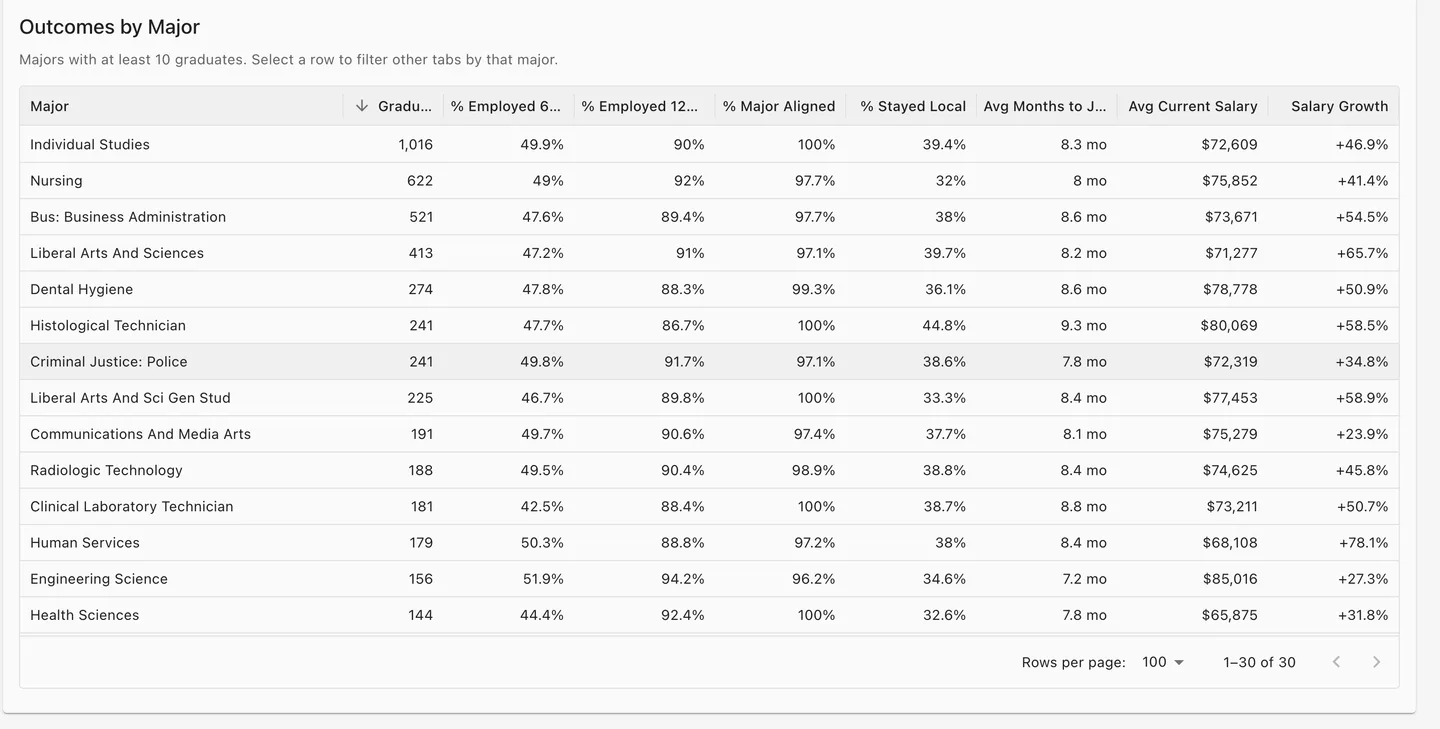
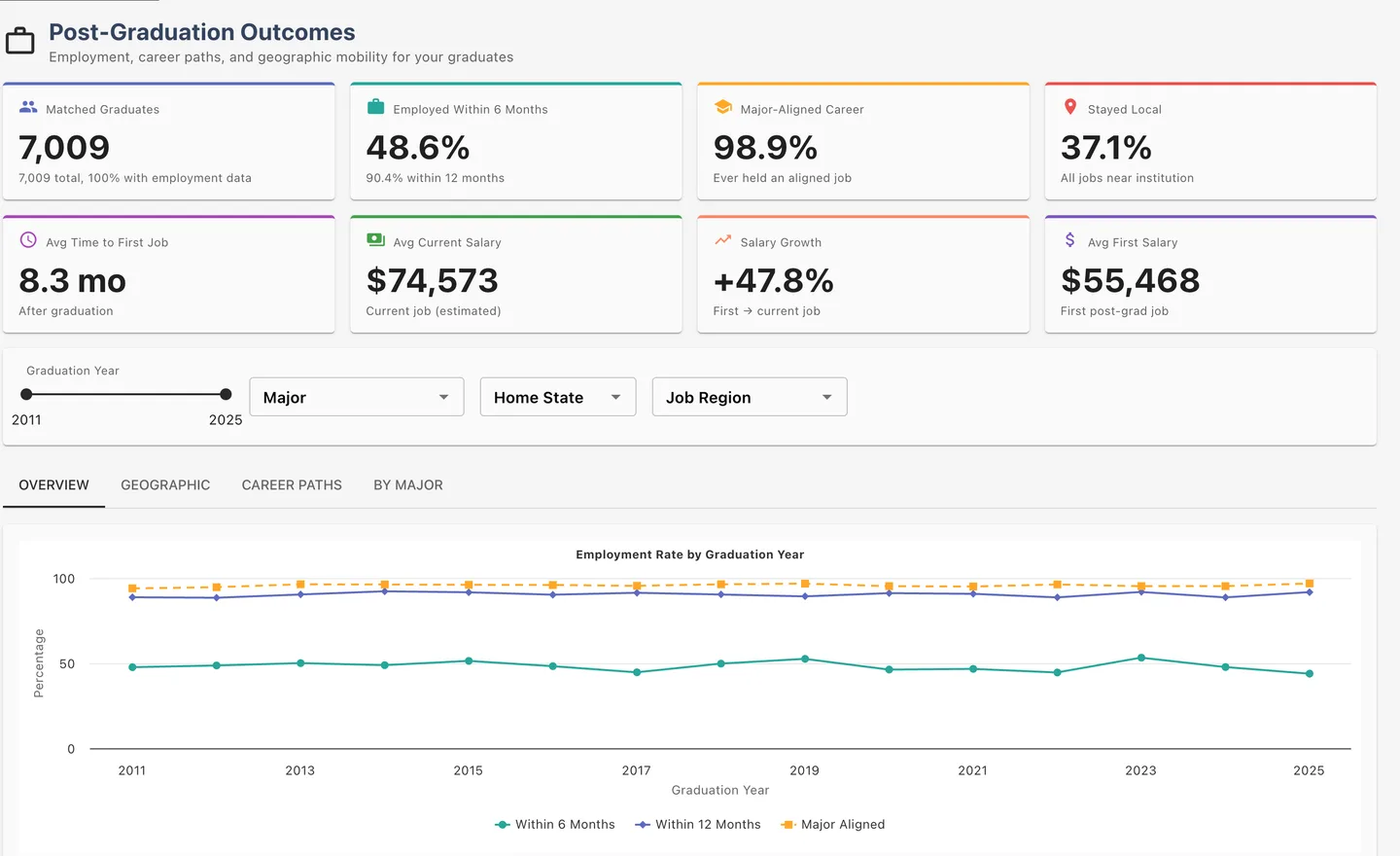
Yes. The career module matches every graduate to employment data and follows each cohort for years: jobs, first and current salary, salary growth, and where they work, by program. Deans see each program against the federal earnings test, which reads earnings four years after graduates finish, years before the determination arrives.
How long does implementation take?
Lawrence Technological University went live in six weeks. Timelines depend on how many systems are in scope and how clean the data is, so ask any vendor, including us, to name an institution that hit the date they quote. Read the deployment story →
What does Civitas Learning cost?
An annual platform subscription scaled to institution size, with no per-agent charge and no token metering. Scope, the number of integrated systems, and the level of partnership set the price. How pricing works →
Is our student data used to train models for other institutions?
No. Every model is trained on your institution's own data, and your data is never pooled into a benchmark sold to another school. Civitas operates as a school official under FERPA, under a data sharing agreement you sign. Security and privacy →